Your home’s electrical system is a complex, invisible network that works around the clock to keep your life running smoothly. Because it is hidden behind drywall and floorboards, it is easy to take for granted, until something goes wrong.
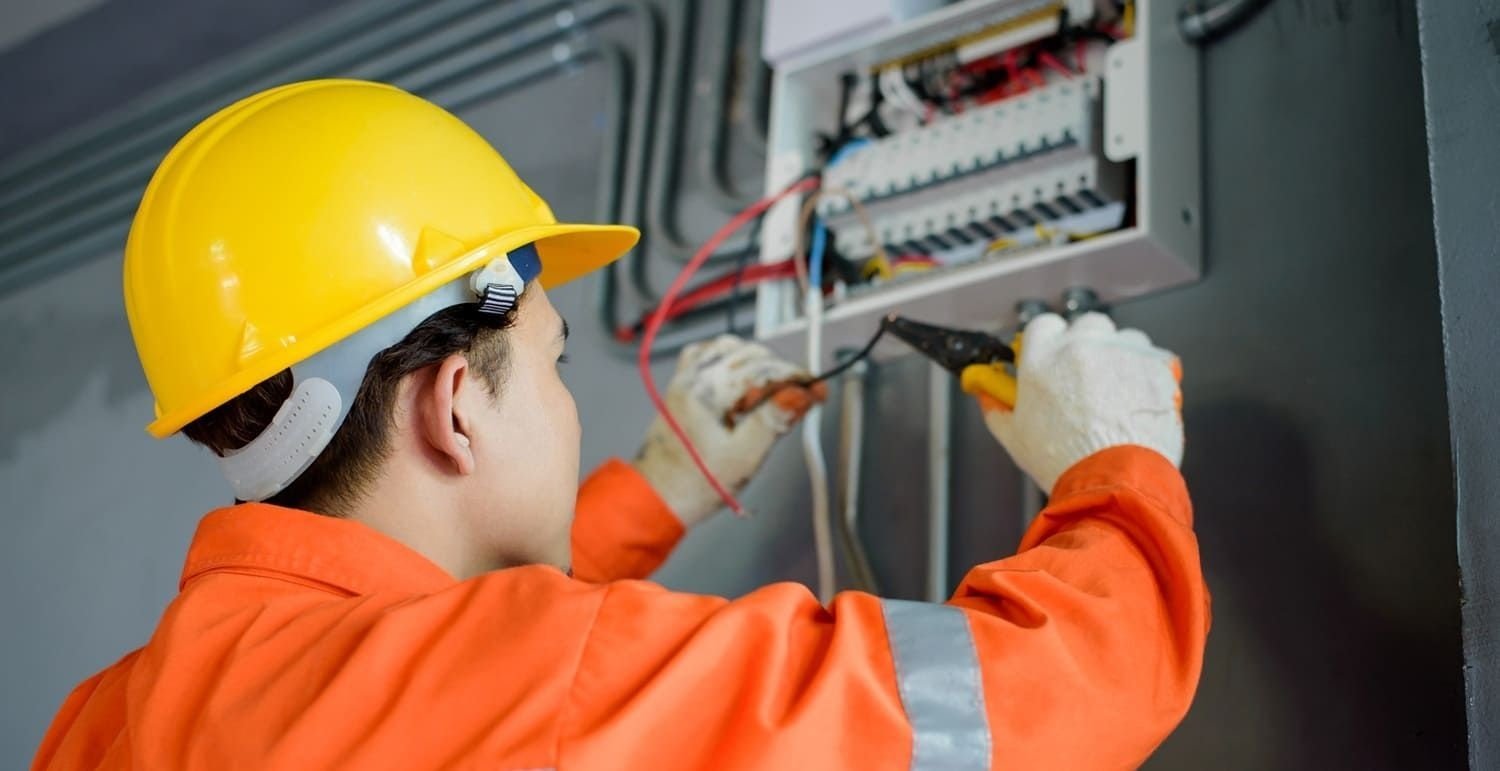
From the mild annoyance of a flickering dining room light to the serious danger of a sparking outlet, electrical issues are an inevitable part of homeownership. While some problems are simple fixes you can handle yourself, others require the immediate attention of a licensed professional to ensure compliance with the Ontario Electrical Safety Code.
Here is a comprehensive guide to the most common electrical problems homeowners encounter, what causes them, and how you can safely solve them.
1. Frequently Tripping Circuit Breakers
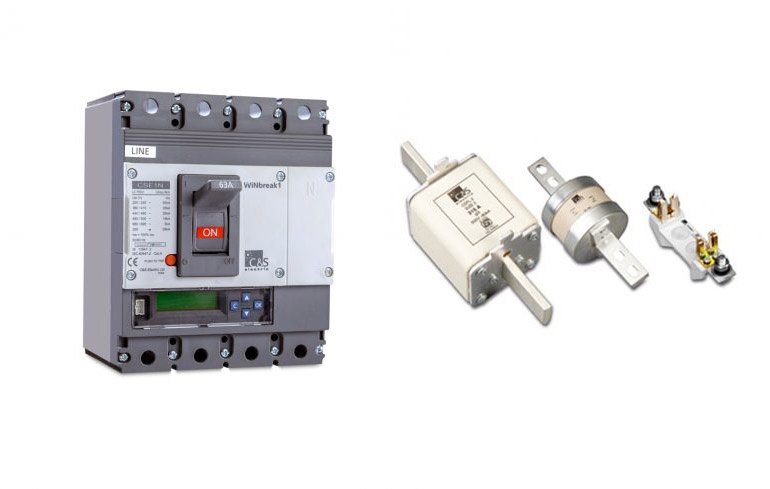
The Problem: You turn on your microwave and the space heater at the same time, and suddenly the kitchen goes dark. The Cause: Circuit breakers are designed to protect your home. When a breaker trips, it is doing its job by cutting off the electrical flow before the wires overheat and start a fire. This usually happens due to an overloaded circuit (drawing more amps than the circuit can handle), a short circuit, or a ground fault. The Solution: * DIY Fix: First, unplug the high-draw devices from the affected room. Go to your electrical panel, locate the tripped breaker (it will be resting in the middle position), push it fully to the “OFF” position, and then snap it back to “ON”.
- Pro Fix: If the breaker trips repeatedly, even with a light load, or if it trips instantly upon resetting, you have a short circuit. Do not force it back on. You need to contact experienced electrical contractors in Ontario to trace the fault or upgrade your electrical panel to handle your modern power demands.
2. Flickering or Dimming Lights
The Problem: Your lights pulse, flicker, or dim noticeably when a large appliance (like the AC or refrigerator) kicks on. The Cause: If it is a single bulb, the bulb itself might be loose or dying. If it is an entire room or house, it indicates a power drop. This can be caused by a loose wire connection, an overloaded electrical grid, or an appliance drawing a massive starting current that starves the rest of the house. The Solution:
- DIY Fix: Turn off the light switch and check if the bulb is screwed in securely. Ensure you are using the correct wattage. If it’s a dimmer switch, verify that you are using dimmable LED bulbs, as incompatible bulbs will flicker.
- Pro Fix: If the problem is widespread, you likely have loose wiring at the panel or the meter base. Loose connections create high resistance and heat, making this a severe fire hazard that requires a licensed electrician to diagnose and repair.
3. Electrical Surges and Dips
The Problem: Your electronics occasionally shut off and restart, or you notice brief, sharp spikes in power. The Cause: Electrical surges are lightning-fast spikes in voltage. While they can be caused by lightning strikes or downed power lines, the majority (about 80%) actually originate inside the home. High-power devices like HVAC units or heavy power tools create micro-surges every time they cycle on and off. The Solution:
- DIY Fix: Protect your sensitive and expensive electronics (computers, smart TVs) by plugging them into high-quality point-of-use surge protectors (not just standard power strips).
- Pro Fix: To truly protect your home’s infrastructure and smart appliances, ask your electrician to install a Whole-Home Surge Protector directly at your main electrical panel.
4. Light Bulbs Burning Out Too Quickly
The Problem: You feel like you are replacing the light bulbs in a specific fixture every few weeks or months. The Cause: Several factors can drastically reduce a bulb’s lifespan. These include using a bulb with a higher wattage than the fixture is rated for, excessive vibration (common in ceiling fan fixtures), or high voltage entering the home. The Solution:
- DIY Fix: Always check the maximum wattage sticker inside the fixture before installing a bulb. If the fixture is subject to vibration, switch to LED bulbs, which have no delicate filaments to break.
- Pro Fix: If bulbs are burning out across the entire house, your home’s incoming voltage may be too high. A professional can test the voltage at your panel and coordinate with your local utility company to correct the issue.
5. Warm or Dead Electrical Outlets
The Problem: An outlet no longer provides power, or the plastic faceplate feels warm or vibrates when you touch it. The Cause: A dead outlet could simply be a tripped GFCI (Ground Fault Circuit Interrupter) or a loose connection. However, a warm outlet is a massive red flag. It means electricity is arcing (jumping) between loose wires, generating intense heat behind the wall. The Solution:
- DIY Fix: For a dead outlet, check nearby GFCI outlets (usually in the kitchen or bathroom) and press the “Reset” button. Also, check your main breaker panel.
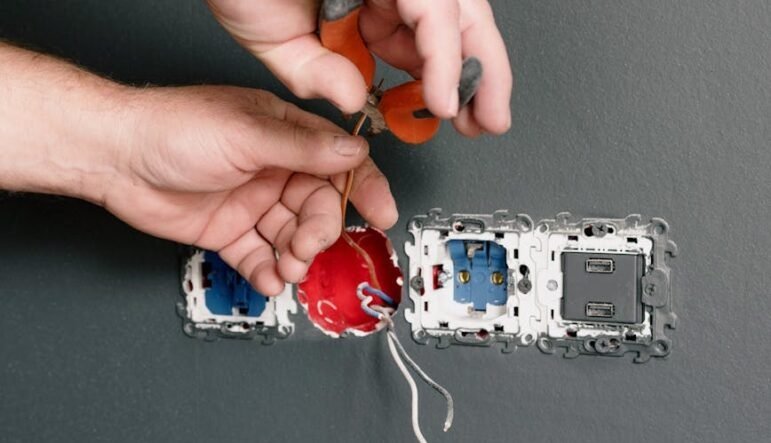
- Pro Fix: If an outlet is warm, sparking, or smells like burning plastic, stop using it immediately and flip the breaker off for that room. Do not attempt to replace a melted receptacle yourself. Call for professional residential electrical services immediately to replace the damaged wiring and secure the connection safely.
When in Doubt, Call the Experts
While changing a light bulb or resetting a tripped breaker are safe DIY tasks, the vast majority of electrical issues require a professional touch. Electricity is unforgiving, and improper DIY repairs can void your home insurance or lead to catastrophic fires.
If you are facing persistent electrical issues, never compromise on safety. Trusting licensed professionals ensures the job is done to code, protecting your family and your property. If you need troubleshooting, panel upgrades, or emergency repairs, reach out to the experts at ashcons.ca to keep your home running safely and efficiently.