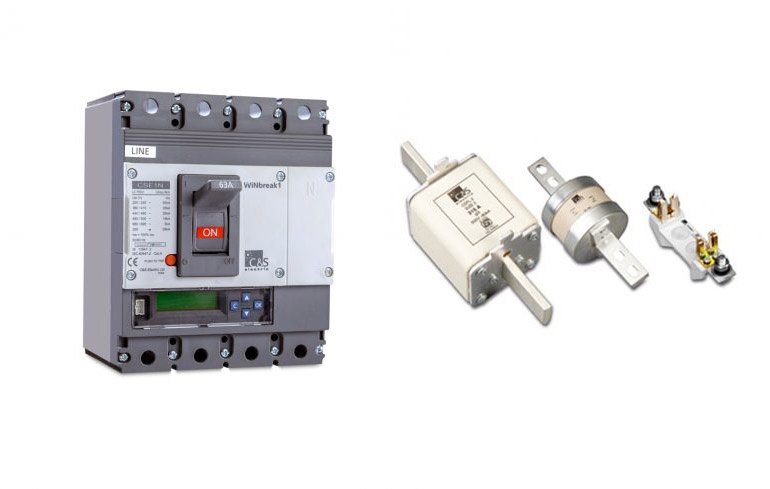
Every electrical system requires a failsafe. Without a mechanism to monitor and control the flow of electricity, a sudden surge or wiring fault could easily cause wires to overheat, melt, or ignite a fire. While both fuses and circuit breakers are designed to perform this exact life-saving function, they do so using entirely different technologies, mechanisms, and maintenance requirements.
If you are living in an older home, managing an aging commercial property, or simply trying to understand the components inside your electrical box, knowing the operational differences between these two devices is crucial for electrical safety.
The Shared Goal: Intercepting Dangerous Electrical Overloads and Short Circuits
Before exploring their differences, it is important to understand what both devices are trying to achieve. Electrical circuits are designed to carry a specific maximum amount of electrical current (measured in amps). If you plug in too many heavy-duty appliances (an overload) or if a damaged wire allows electricity to flow along an unintended path (a short circuit), the current spikes dangerously. Both fuses and circuit breakers act as the “weakest link” in the system, intentionally breaking the electrical circuit to stop the flow of power before it can damage your home’s wiring.
How Fuses Work: One-Time Protection Through Sacrificial Melting Filaments
Fuses are the older of the two technologies, commonly found in homes built before the 1960s. A fuse is a small, screw-in or plug-in device containing a thin strip of metal filament encased in glass or ceramic.
When the electrical current flowing through the circuit exceeds the fuse’s rated capacity, the metal filament instantly overheats and melts. This physical melting physically breaks the connection, stopping the flow of electricity entirely. Because the internal component is destroyed in the process, a blown fuse cannot be reset; it is a sacrificial device that must be completely removed, safely disposed of, and replaced with a brand-new fuse of the exact same amperage rating to restore power.
How Circuit Breakers Work: Reusable Switches Triggered by Electromagnetism or Heat
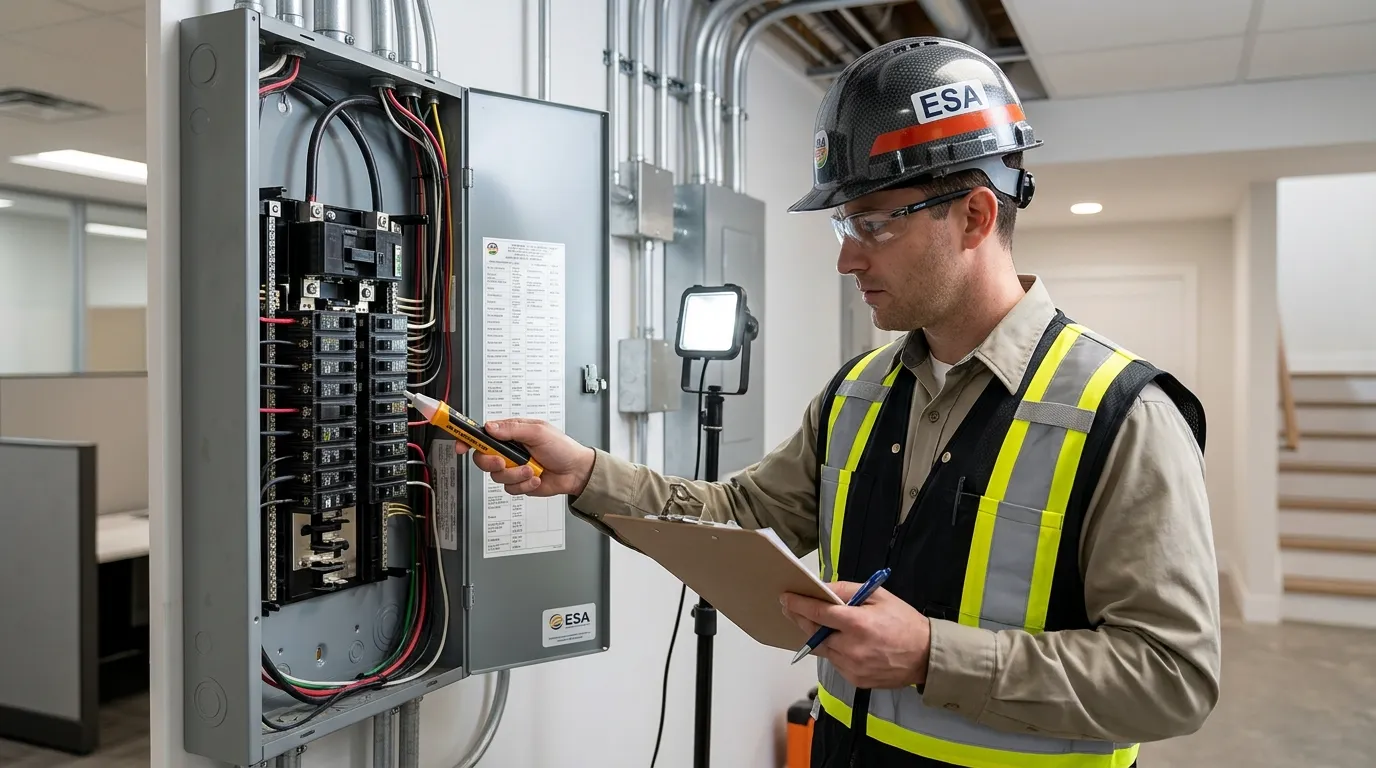
Circuit breakers are the modern standard for electrical panels. Instead of a melting filament, a breaker relies on internal mechanical switches. They operate using either a bimetallic strip that bends when heated by excess current, or an electromagnet that creates a strong enough magnetic pull to trip the switch during a massive power surge.
When a breaker detects a fault, the internal mechanism forcefully flips the switch to the “off” position, severing the electrical connection. Unlike a fuse, no parts are destroyed. Once the underlying issue (such as an overloaded outlet) is resolved, restoring power is as simple as flipping the switch back to the “on” position.
Upfront Costs vs. Long-Term Convenience: The Argument for Breaker Panels
From a purely financial standpoint, regarding the individual components, fuses are incredibly cheap to manufacture and purchase. However, the true cost lies in the convenience and maintenance.
If a fuse blows in the middle of the night, you must navigate the dark to find a replacement. If you do not have the correct replacement on hand, you will be without power. Circuit breakers eliminate this hassle entirely. The ease of simply resetting a switch makes circuit breakers vastly superior for modern households and businesses, reducing downtime and eliminating the need to stockpile replacement parts.
Reaction Time and Sensitivity: Why High-Tech Equipment Sometimes Still Relies on Fuses
Despite being older technology, fuses hold one distinct technical advantage over mechanical circuit breakers: reaction speed. The physical melting of a fuse’s filament happens faster than a mechanical breaker’s switch can physically flip.
Because fuses react almost instantaneously to current spikes, they are highly sensitive. This is why you will still find modern fuses used to protect highly sensitive electronic equipment, automotive electrical systems, and specific industrial machinery. A fuse guarantees that a massive surge will be stopped before it has the milliseconds needed to fry a delicate microchip, whereas a breaker might let a fraction of the surge through before fully tripping.
The Safety Hazard of “Over-Fusing” in Older Electrical Systems
One of the most significant safety risks associated with older fuse boxes is user error, specifically a dangerous practice known as “over-fusing.” If a homeowner constantly experiences a blown 15-amp fuse due to running too many appliances, they might grow frustrated and screw in a 20-amp or 30-amp fuse into the same slot to stop the interruptions.
This is incredibly dangerous. The 15-amp wires hidden in the walls will now be allowed to carry up to 30 amps of current before the fuse blows. The wires will overheat, melt their insulation, and likely cause a fire behind the drywall. Modern circuit breaker panels heavily mitigate this risk, as swapping out a breaker switch for a larger one requires a professional electrician to open the panel, rather than a homeowner quickly screwing in a mismatched component.
Recognizing the Signs That It Is Time to Upgrade Your Outdated Fuse Box
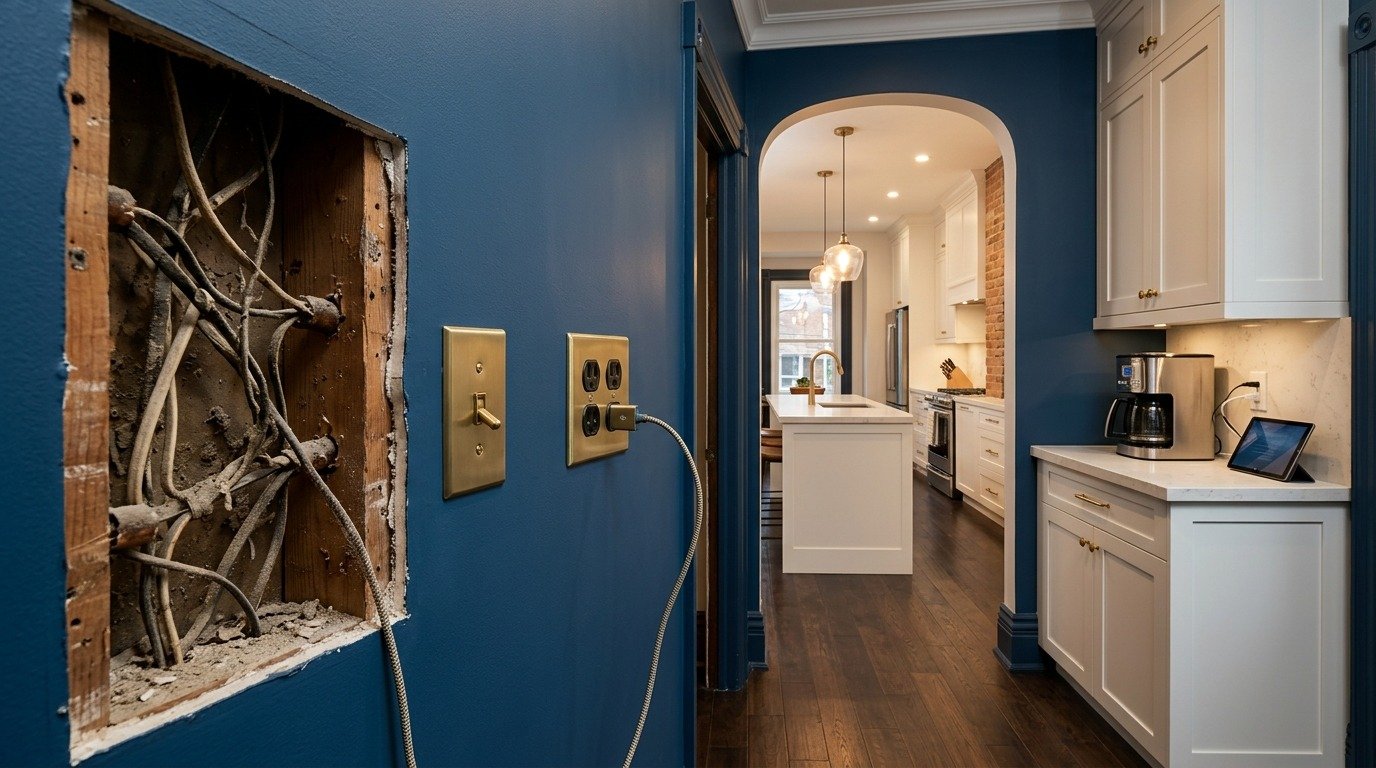
While a properly maintained fuse box can still be safe, they were simply not designed to handle the electrical demands of a modern property equipped with multiple HVAC systems, smart appliances, high-end computers, and electric vehicle chargers. If your property still relies on a fuse box, you will likely experience frequent blown fuses, flickering lights when major appliances cycle on, or insurance companies charging premium rates, or outright refusing coverage, due to the perceived liability of the outdated system. Upgrading to a modern 200-amp circuit breaker panel eliminates the need to constantly replace fuses, brings the property up to modern building codes, and provides a much safer, more robust infrastructure for today’s high electrical loads.