Owning an older home comes with undeniable charm, original hardwood floors, unique architectural details, and mature neighborhoods. However, beneath the plaster and drywall, older homes often hide a significant hazard: outdated electrical systems.
The idea of a “whole-home rewire” can sound incredibly daunting to a beginner. It is a major renovation that involves opening walls, pulling new cables, and upgrading core infrastructure. However, when you consider that modern households consume exponentially more power than they did fifty years ago, powering smart TVs, home offices, and electric vehicles, updating your wiring is often an unavoidable necessity.
If you are considering this major upgrade, here is a comprehensive beginner’s guide to understanding when, why, and how to tackle whole-home rewiring in Ontario.
Warning Signs That Your Home Needs Rewiring
You don’t need to be an expert to spot the symptoms of a failing or inadequate electrical system. If your home exhibits any of the following signs, it is time to consult with professional electrical contractors in Ontario for a comprehensive inspection:
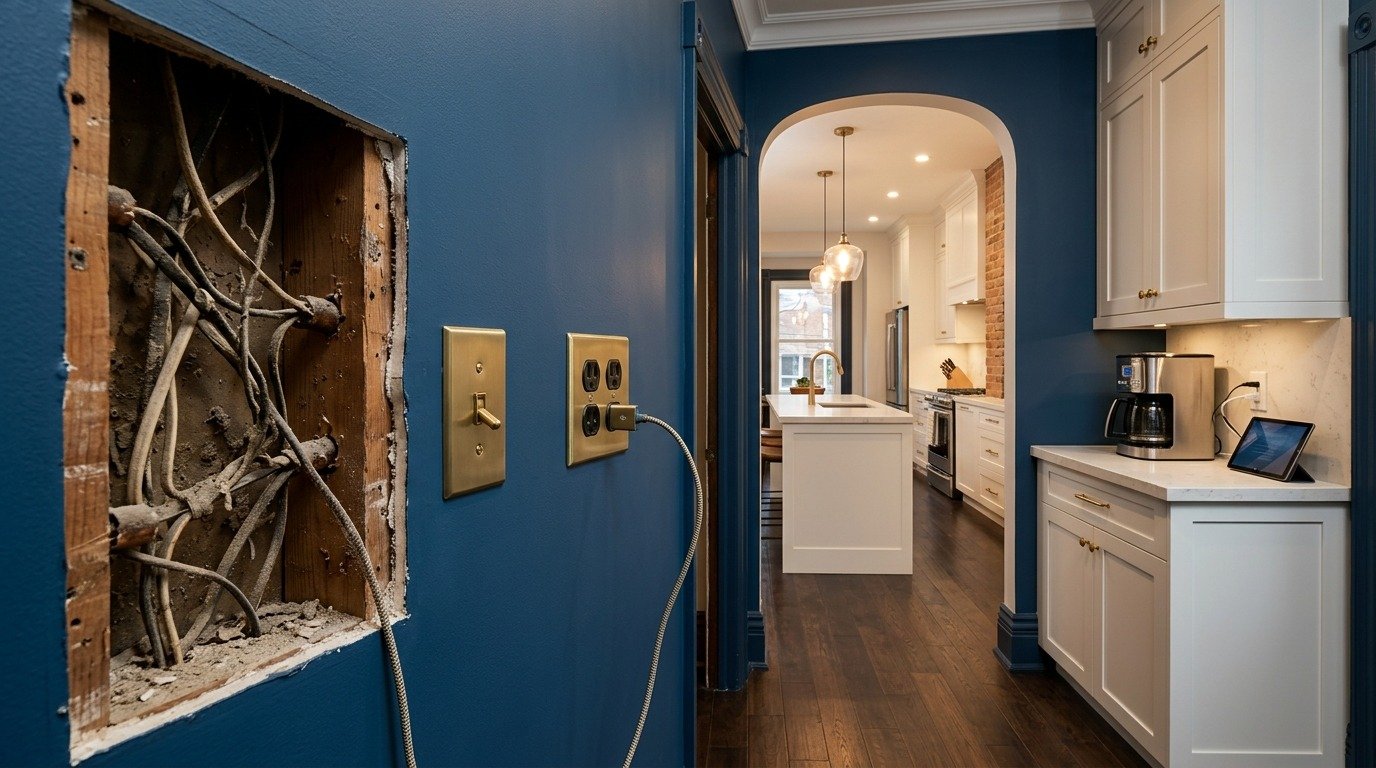
- The Age of the Home: If your house was built before 1950, it may still have “knob-and-tube” wiring, which lacks a ground wire and is considered highly unsafe. Homes built in the 1960s and 1970s often contain aluminum wiring, which expands and contracts over time, creating a major fire risk at connection points.
- Frequent Tripped Breakers or Blown Fuses: Your electrical panel is designed to trip when a circuit is overloaded. If this happens constantly, your system cannot handle your modern power demands.
- Flickering or Dimming Lights: If your lights dim when you turn on the microwave or vacuum, your circuits are overtaxed.
- Discolored or Warm Outlets: Switch plates or outlets that are warm to the touch, or have brown scorch marks, indicate that arcing or a minor electrical fire has already occurred behind the wall.
- A Reliance on Extension Cords: If you have to use power strips and extension cords in every room because you only have one or two outlets, your home’s electrical layout is obsolete and potentially dangerous.
- Two-Prong Outlets: Outlets without a third “grounding” hole mean your home’s electrical system cannot safely disperse excess electricity in the event of a surge.
The Rewiring Process: What Actually Happens?
Understanding the scope of work can help alleviate the stress of the project. While every house is different, a whole-home rewire generally follows these key phases:
1. The Electrical Audit and Planning
The process begins with an electrical contractor mapping out your current system and your future needs. This is the time to decide where you want new outlets, overhead lighting, smart home integration, and dedicated circuits for heavy appliances (like hot tubs or EV chargers).
2. Upgrading the Electrical Panel
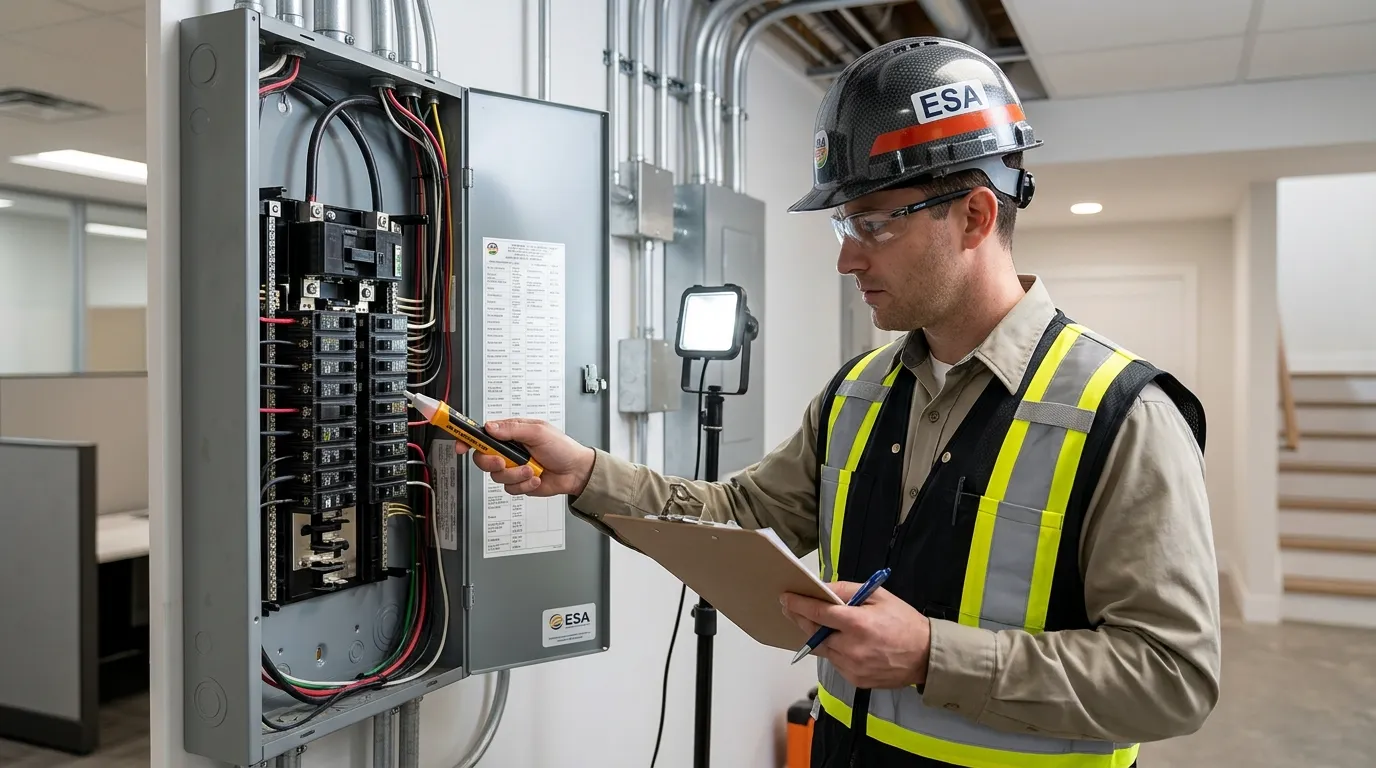
Most older homes operate on a 60-amp or 100-amp electrical service panel. Today, the standard is a 200-amp panel to safely manage HVAC systems, modern appliances, and home electronics. Your electrician will typically upgrade your main panel and install new, highly sensitive circuit breakers.
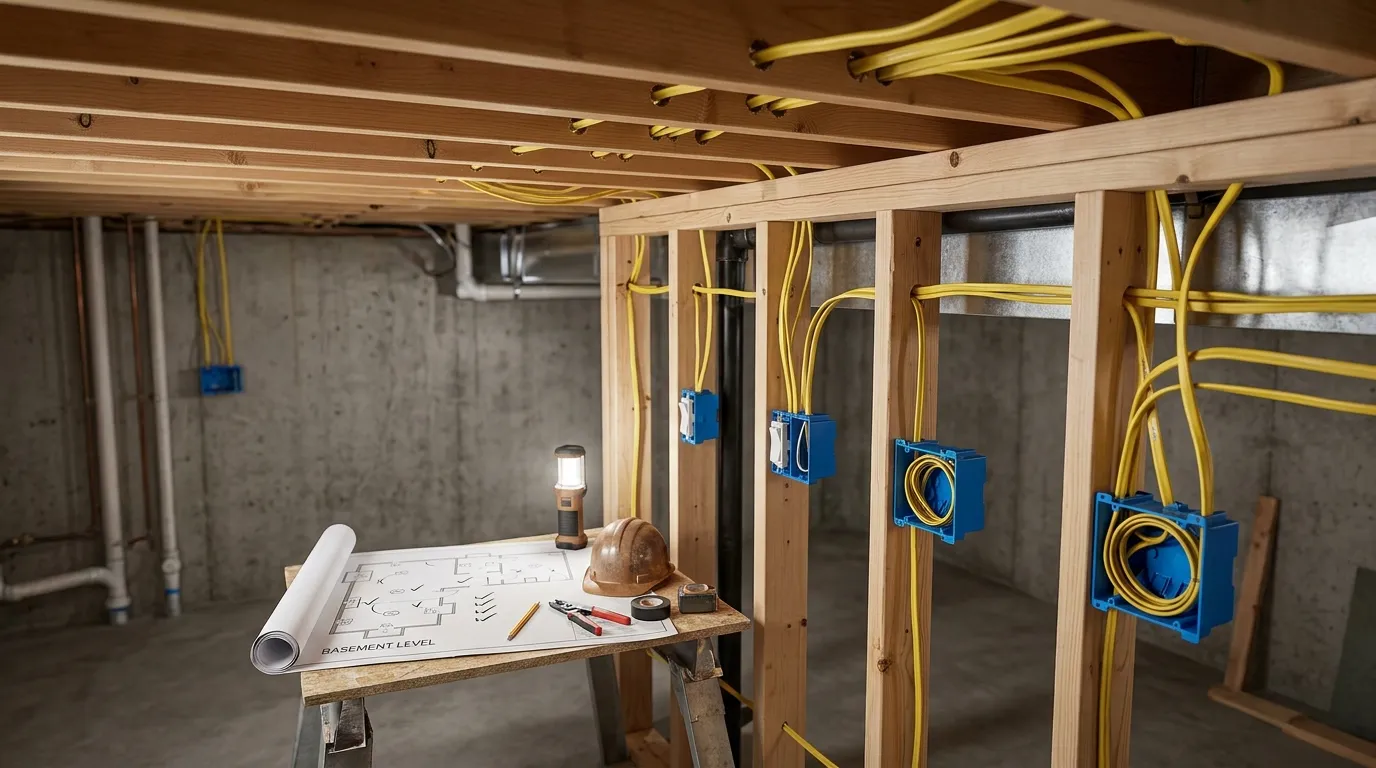
3. The “Rough-In” Phase (Running the Wires)
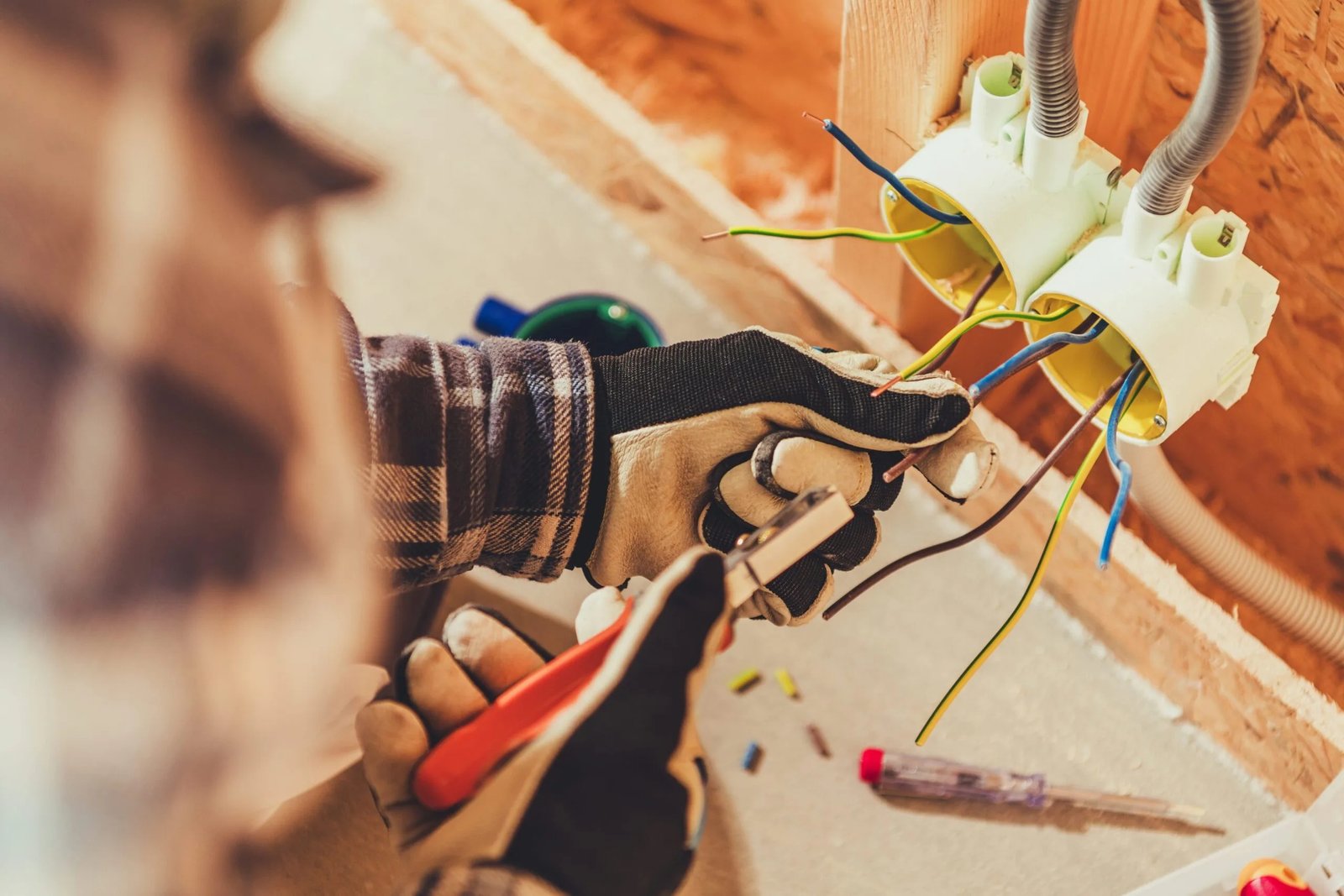
This is the most disruptive part of the process. Your electrician will need to access the spaces behind your walls and ceilings to remove the old wiring and run new, modern copper cables. Depending on your home’s construction, they may need to cut small holes in the drywall, or they might be able to “fish” the wires through the attic and basement joists to minimize damage.
4. The “Finishing” Phase
Once the new wires are run, the electrician will install brand-new, modern receptacles, GFCI (Ground Fault Circuit Interrupter) outlets in kitchens and bathrooms, AFCI (Arc Fault Circuit Interrupter) breakers, and new light switches.
Navigating Ontario Regulations: The Importance of the ESA
In Ontario, electrical work is not a DIY endeavor. The province is strictly governed by the Electrical Safety Authority (ESA) and the Ontario Electrical Safety Code.
When undertaking a project of this magnitude, you must hire a Licensed Electrical Contractor (LEC). A reputable firm will handle all the necessary bureaucratic steps, which include:
- Pulling the Required Permits: Notifying the ESA that a major electrical alteration is taking place.
- Scheduling Inspections: The ESA will inspect the “rough-in” wiring before the walls are closed, and perform a final inspection once the job is complete.
- Issuing a Certificate of Acceptance: This is a crucial legal document proving your home meets all modern safety codes.
The Return on Investment (Cost vs. Value)
Whole-home rewiring is a significant financial investment, but it yields massive returns in areas you might not immediately consider:
- Lower Insurance Premiums: Many insurance companies charge steep premiums, or refuse coverage entirely, for homes with knob-and-tube or aluminum wiring. Rewiring your home can drastically lower your monthly insurance costs.
- Increased Resale Value: A fully updated, 200-amp, ESA-certified electrical system is a massive selling feature. It provides buyers with immediate peace of mind, significantly boosting your property’s market value.
- Ultimate Safety: The most important return on investment is the knowledge that your family is safe from the invisible threat of electrical fires.
Conclusion
Rewiring a house is a complex, multi-stage project that transforms the safety, functionality, and value of your property. Because the stakes are so high, it requires meticulous planning, an intimate knowledge of building codes, and flawless execution.
If you suspect your home’s wiring is outdated, do not wait for an emergency to strike. Reach out to experienced, licensed residential electricians in Ontario to schedule an assessment. By partnering with certified professionals, you can ensure your home’s electrical system is brought into the 21st century safely, legally, and efficiently.